Root Canal Treatment in Hyderabad

Relieve severe tooth pain, eliminate infection, and preserve your natural smile with gentle, effective endodontic care.

Book Appointment

Root Canal Treatment in Hyderabad
Root Canal Procedure

What Is a Root Canal?

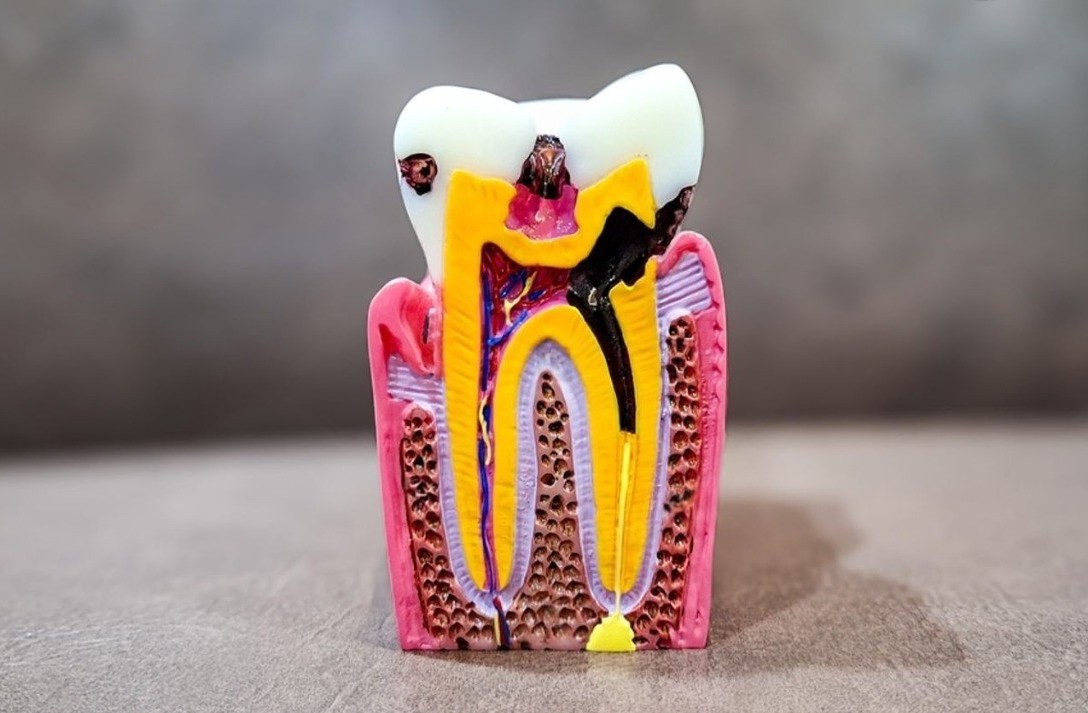
A root canal (endodontic treatment) is a procedure designed to save a tooth that has become severely infected or inflamed due to deep decay, repeated dental procedures, cracks, or trauma. The treatment involves removing the infected or damaged pulp (nerve and blood supply) from inside the tooth, thoroughly cleaning and disinfecting the inner chambers, and sealing them to prevent reinfection.

Contrary to popular belief, a root canal is not a painful procedure — it is the treatment that relieves pain caused by an infected tooth. After the tooth is restored with a crown or filling, it continues to function like any natural tooth.

What's Included in Root Canal Treatment?

Diagnostic Imaging

Digital X-rays to assess the extent of infection, root anatomy, and surrounding bone health.

Local Anesthesia

Numbing of the tooth and surrounding tissues for a completely comfortable, pain-free experience.

Isolation & Access

Rubber dam placement to isolate the tooth and maintain a sterile field, followed by a small access opening.

Pulp Removal & Cleaning

Gentle removal of infected pulp tissue, thorough disinfection, and shaping of root canals using specialized instruments.

Sealing the Canals

Filling the canals with biocompatible gutta-percha material and sealing to prevent future infection.

Final Restoration

Placement of a permanent filling or dental crown after healing to restore full function and protection.

Why Is a Root Canal Important?

Saving your natural tooth through root canal treatment offers significant advantages over extraction.

  • Eliminates pain and infection: Removes the source of tooth pain, swelling, and sensitivity.
  • Preserves natural tooth: Allows you to keep your natural tooth, avoiding extraction and its consequences.
  • Prevents spread of infection: Stops bacteria from spreading to surrounding tissues, jawbone, or other teeth.
  • Maintains bite alignment: Prevents adjacent teeth from shifting into the gap left by an extracted tooth.
  • Restores chewing function: After final restoration, the tooth functions normally for eating and speaking.
  • Cost-effective: Typically less expensive than extraction followed by an implant or bridge.

What to Expect During Root Canal Treatment?

Root canal treatment is typically completed in one to three visits, depending on the complexity of the case.

1

Examination and Diagnosis

Your dentist or endodontist will review your symptoms, take digital X-rays, and perform a vitality test to confirm the need for root canal treatment. Treatment options will be discussed and any questions answered.

2

Anesthesia and Isolation

Local anesthesia is administered to ensure complete comfort. A rubber dam is placed to isolate the tooth, keeping it dry and free from saliva during the procedure.

3

Access and Cleaning

A small opening is created in the tooth to access the pulp chamber. The infected pulp is carefully removed using fine instruments, and the root canals are cleaned, shaped, and disinfected.

4

Sealing and Temporary Restoration

Once canals are thoroughly cleaned, they are filled with gutta-percha and sealed with biocompatible cement. A temporary filling is placed to protect the tooth until your next visit.

5

Final Restoration

After the tooth has healed, you will return for placement of a permanent filling or dental crown. A crown is often recommended for back teeth to protect against fracture under chewing forces.

Who Is This For?

Root canal treatment is indicated when the pulp (nerve) of a tooth is irreversibly damaged or infected.

Common Signs You May Need a Root Canal

  • Persistent, throbbing tooth pain
  • Prolonged sensitivity to hot or cold
  • Pain when biting or chewing
  • Swelling or tenderness in the gums
  • Discoloration of the tooth
  • A pimple-like bump on the gums

Ideal Candidates

  • Patients with deep decay that has reached the pulp
  • Teeth with cracks or fractures extending to the nerve
  • Teeth that have sustained trauma
  • Patients who wish to preserve their natural tooth rather than extract

You May Require an Alternative If:

  • The tooth is severely fractured below the gumline
  • There is insufficient tooth structure remaining for restoration
  • Advanced bone loss compromises tooth support

Frequently Asked Questions

Root canal treatment relieves pain; it does not cause it. The procedure is performed under local anesthesia, so you should feel no discomfort. Any soreness afterward is typically mild and manageable with over-the-counter medication.

A routine root canal typically takes 60 to 90 minutes. Molars with multiple canals may require two visits. The final crown placement adds an additional visit.

You may experience mild tenderness for a few days, which can be managed with ibuprofen or acetaminophen. Avoid chewing on the treated tooth until the final restoration is placed.

Back teeth (premolars and molars) are weakened after root canal treatment and are prone to fracture under chewing forces. A crown protects the tooth and ensures long-term success.

With proper restoration and good oral hygiene, a root canal-treated tooth can last a lifetime. Regular dental visits are essential to monitor the tooth and surrounding bone.

Saving your natural tooth is almost always preferable to extraction. Root canal treatment preserves your natural bite, prevents shifting of adjacent teeth, and avoids the need for replacement options like implants or bridges.

Yes. You will be fully alert after the procedure, as the anesthesia wears off within a few hours. Most patients drive themselves home without any issue.

Relieve Pain and Save Your Natural Tooth with Expert Root Canal Care

Gentle, effective endodontic treatment by experienced specialists in Hyderabad. Book your consultation today!

Book Your Visit Now