- +919347179399
- contact@thetoothstoryhyd.com
- Mon-Sat: 9:00am-9:00pm | Sun: 9:00am-1:00pm

Address problematic teeth, prepare for restorative treatment, and resolve oral health issues with expert minor surgical procedures performed in a comfortable, safe environment.
Book Appointment
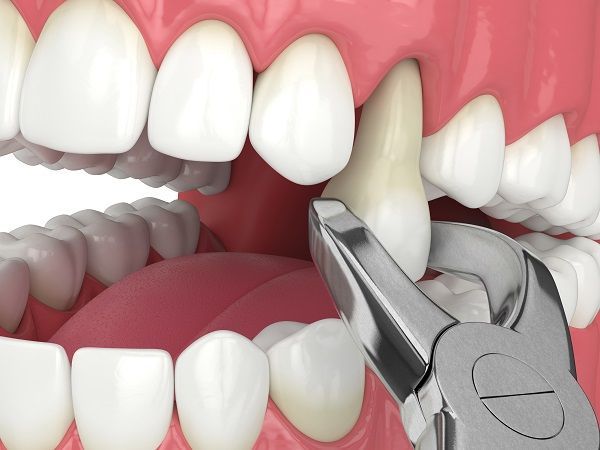
Minor oral surgery refers to a range of surgical procedures performed in the oral cavity that do not require hospitalization or general anesthesia. These procedures are typically completed in an outpatient setting using local anesthesia, with or without sedation, and are designed to address specific dental issues that cannot be resolved through non-surgical means.
Common minor oral surgical procedures include:
Clinical examination, medical history review, and digital X-rays or CBCT imaging to accurately assess anatomy.
Local anesthesia to safely numb the area; calming sedation options are easily available for anxious patients.
Safe, precise surgical technique uniquely tailored entirely to perfectly resolve your specific condition.
Careful control of bleeding, smoothly followed by secure closure using dissolvable or non-dissolvable sutures.
Detailed clear instructions precisely for pain management, swift swelling reduction, suitable diet, and activity restrictions.
Dedicated review safely to verify excellent healing progress and gently remove non-dissolvable sutures if used.
Minor oral surgery distinctly addresses conditions that cannot be managed completely through non-surgical means, effectively preventing more serious complications.
The experience varies based on the specific procedure, but most minor oral surgeries follow a similar pattern.
Your oral surgeon will review your medical history, perform a clinical examination, and review X-rays or scans to plan the procedure. You will receive pre-operative instructions, including fasting guidelines if sedation is planned.
Local anesthesia is administered to numb the surgical area completely. If you have dental anxiety, sedation options (nitrous oxide, oral sedation, or IV sedation) may be offered to help you relax.
The surgeon performs the planned procedure using specialized instruments and techniques designed to minimize trauma to surrounding tissues. Depending on the complexity, the procedure may take 20 to 60 minutes.
If incisions were made, sutures are placed to promote healing. Gauze is applied to control bleeding. You will rest briefly before being discharged with post-operative instructions.
Initial healing typically takes 1–2 weeks. Most patients return to normal activities within 1–3 days, though strenuous activity should be avoided for a few days.
A follow-up appointment may be scheduled to assess healing and remove sutures if non-dissolvable sutures were used.
Minor oral surgery is indicated for a variety of conditions that require surgical intervention.