Flap Surgery in Hyderabad

Restore gum health, reduce deep periodontal pockets, and preserve your natural teeth with expert flap surgery for advanced gum disease.

Book Appointment
Flap Surgery Procedure
Advanced Gum Disease Treatment

What Is Flap Surgery?

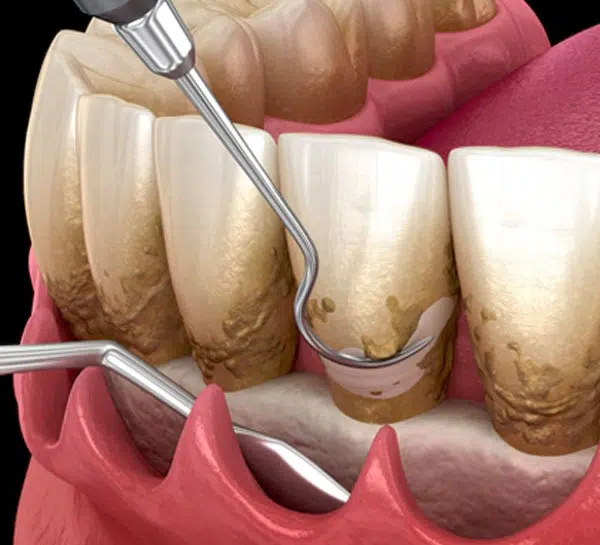
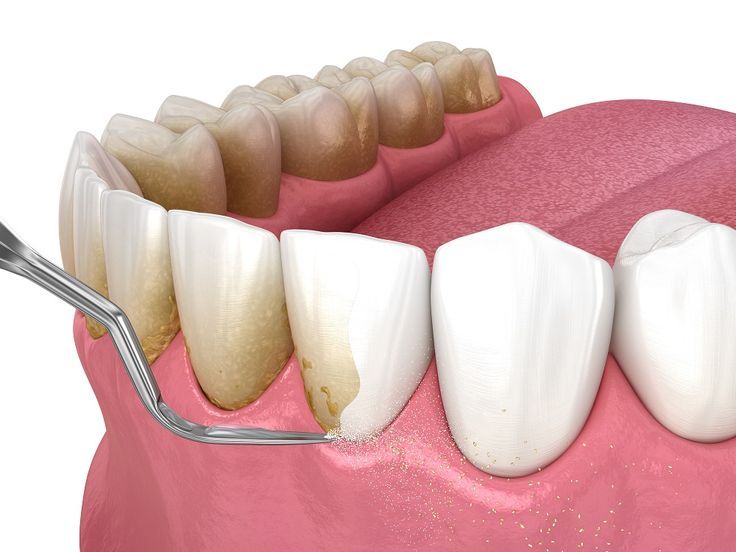
Flap surgery (also called periodontal flap surgery or pocket reduction surgery) is a surgical procedure used to treat advanced gum disease (periodontitis) that has not responded to non-surgical treatments like scaling and root planing.

During the procedure, the gum tissue is gently lifted back (like opening a flap) to allow the periodontist to access and clean the tooth roots and underlying bone more thoroughly. The affected area is then treated to remove bacteria, tartar, and diseased tissue. Once the area is cleaned, the gum tissue is repositioned and sutured back in place, allowing it to reattach to the tooth roots and reduce the depth of periodontal pockets.

Flap surgery is typically performed under local anesthesia, with sedation options available for patient comfort.

What's Included in Flap Surgery?

Pre-operative Evaluation

Comprehensive periodontal assessment including pocket depth measurements, bleeding assessment, and digital X-rays.

Anesthesia Administration

Local anesthesia is given to numb the surgical area, with sedation options available for patients.

Incision & Flap Elevation

Careful incisions to gently lift a flap of tissue, allowing access to the tooth roots and underlying bone.

Deep Cleaning & Smoothing

Thorough removal of tartar and diseased tissue, followed by bone reshaping or grafting if needed.

Repositioning & Suturing

Gum tissue is securely repositioned over the treated area and secured in place with gentle sutures.

Comprehensive Follow-up

Detailed pain management instructions, evaluation of healing, and ongoing periodontal maintenance scheduling.

Why Is Flap Surgery Important?

Flap surgery is a critical intervention for patients with advanced periodontitis, a condition that can lead to tooth loss if left untreated.

  • Halts disease progression: Removes bacteria and diseased tissue from deep periodontal pockets quickly.
  • Reduces pocket depths: Allows gums to reattach to tooth roots, reducing the space for bacteria.
  • Prevents tooth loss: Stabilizes the supporting structures of teeth, preventing further bone loss.
  • Facilitates oral hygiene: Shallow pockets are easier to clean effectively to maintain proper gum health.
  • Regenerates lost tissue: Bone grafting performed during surgery can regenerate lost bone healthily.
  • Improves overall health: Treating gum disease reduces systemic inflammation linked to other conditions.

What to Expect During Flap Surgery?

Flap surgery is typically performed in one to two sessions, depending on the number of quadrants (sections) being treated.

1

Pre-Operative Evaluation

Your periodontist will perform a comprehensive examination, measure pocket depths, review X-rays, and discuss the surgical plan. You will receive pre-operative instructions and any necessary prescriptions.

2

Anesthesia Administration

Local anesthesia is administered to numb the surgical area completely. For extensive procedures or anxious patients, sedation options are available.

3

Incision and Flap Elevation

Small incisions are made in the gum tissue, and a flap is gently lifted to expose the tooth roots and underlying bone.

4

Deep Cleaning and Bone Treatment

The roots are scaled and planed. If bone is damaged, osseous surgery reshapes it. If bone grafting is planned, graft material is placed to regenerate lost bone.

5

Flap Repositioning and Suturing

The gum flap is repositioned and sutured into place, often at a level that reduces pocket depth. The sutures may be dissolvable or require removal later.

6

Post-Operative Recovery

You will rest briefly before being discharged with detailed instructions. Pain medication, antibiotics, and a special mouth rinse may be prescribed.

7

Healing and Follow-Up

Initial healing takes 1–2 weeks. You return for suture removal and periodic follow-ups. After healing, you enter a maintenance program with cleanings every 3–4 months.

Who Is This For?

Flap surgery is indicated for patients with advanced periodontitis who have not achieved adequate healing non-surgically.

Common Indications

  • Pockets of 5mm+ persisting after scaling
  • Significant bone loss visible on X-rays
  • Active inflammation, bleeding, or pus
  • Hard-to-reach root areas needing cleaning
  • Furcation involvement in multi-rooted teeth

Ideal Candidates

  • Completed non-surgical periodontal therapy
  • Overall good health or medically stable
  • Non-smokers or willing to stop briefly
  • Committed to ongoing maintenance cleanings

Additional Evaluation If:

  • Uncontrolled systemic diseases (diabetes)
  • Taking medications affecting bleeding
  • You are a smoker (strongly impacts healing)

Frequently Asked Questions

The procedure is performed under local anesthesia, so you should feel no pain during surgery. After the anesthesia wears off, some discomfort, swelling, and mild bleeding are normal. Pain is typically well-managed with prescribed or over-the-counter medication and subsides within a few days.

Initial healing of the gum tissue takes 1–2 weeks. Complete healing, including resolution of swelling and maturation of the tissue, takes several weeks to months. Most patients return to normal activities within 3–5 days.

A soft or liquid diet is recommended for the first week. Suitable foods include smoothies, yogurt, soup, mashed potatoes, scrambled eggs, and protein shakes. Avoid hot, spicy, crunchy, or hard foods during the initial healing period.

You will receive specific instructions for oral hygiene during healing. Typically, you will avoid brushing the surgical sites for the first few days, using a prescribed antimicrobial mouth rinse instead. Gentle cleaning is gradually reintroduced as healing progresses.

Gums may appear slightly shorter after flap surgery, as the goal is to reduce pocket depths to a maintainable level. Your periodontist will aim for a result that balances health and aesthetics.

Flap surgery is highly successful in reducing pocket depths, controlling inflammation, and preserving teeth. Long-term success depends on excellent oral hygiene, regular periodontal maintenance visits, and addressing risk factors such as smoking.

Yes. Following flap surgery, you will enter a periodontal maintenance program with cleanings every 3–4 months. These frequent visits are essential to prevent recurrence of periodontitis.

Restore Your Gum Health with Expert Periodontal Care

Take the crucial step to halt advanced gum disease and secure your natural smile.

Contact Us Now