Emergency Facial Trauma Care

Receive prompt, expert treatment for facial injuries to restore function, minimize scarring, and preserve your natural smile in Hyderabad.

Book Appointment
Emergency Facial Trauma Care
Diagnosis and Trauma Care Treatment

What Is Facial Trauma Care?

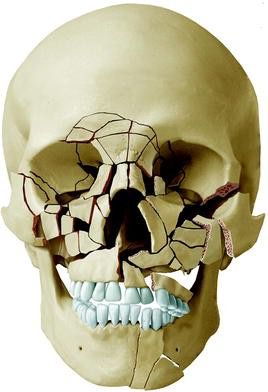
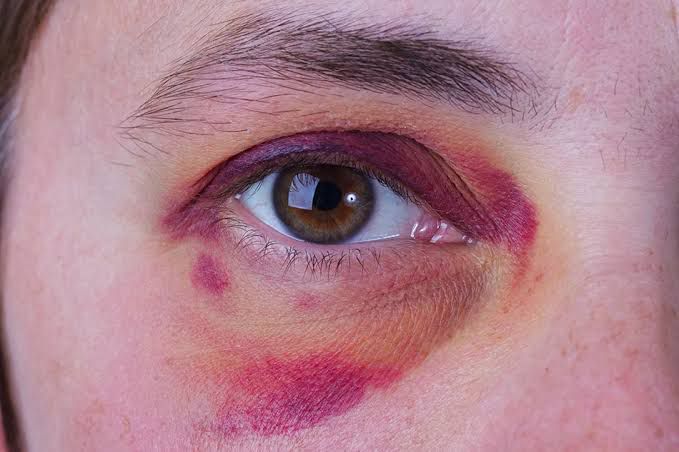
Facial trauma care encompasses the emergency evaluation and treatment of injuries affecting the face, mouth, jaws, and associated structures. These injuries may result from accidents, falls, sports injuries, workplace incidents, or acts of violence. Prompt, specialized care is essential to restore function, achieve optimal healing, minimize scarring, and prevent long-term complications.

Facial trauma can involve a range of injuries including:

  • Dental injuries: Fractured, displaced, or knocked-out (avulsed) teeth
  • Soft tissue injuries: Lacerations (cuts) to lips, gums, cheeks, tongue, skin
  • Bone fractures: Fractures of the jaw, cheekbone, eye socket, or nasal bones
  • Alveolar fractures: Fractures of the tooth-bearing portion of the jawbone

At our clinic, we are equipped to manage a wide range of facial injuries, providing coordinated care to restore both function and aesthetics.

What's Included in Facial Trauma Care?

The specific components vary based on the nature and severity of the injury.

Immediate Assessment

  • Emergency evaluation: Rapid assessment of the extent of injuries, including evaluation of airway, breathing, and circulation.
  • Imaging: Digital X-rays, panoramic radiography, or CBCT (3D imaging) to evaluate fractures and dental injuries.
  • Pain management: Administration of local anesthesia or pain medication to control discomfort.
  • Tetanus assessment: Evaluation of immunization status and administration of tetanus prophylaxis if indicated.

Dental Injury Management

  • Replantation: Reimplantation of avulsed (knocked-out) teeth when possible.
  • Splinting: Stabilization of fractured or displaced teeth using flexible splints.
  • Root canal treatment: Endodontic treatment for teeth with exposed or damaged pulp.
  • Extraction: Removal of non-restorable teeth.

Soft Tissue Management

  • Wound debridement: Thorough cleaning and removal of debris from lacerations.
  • Surgical repair: Precise suturing of lacerations to achieve optimal healing and minimize scarring.
  • Care of specialized structures: Repair of injuries to lips, salivary ducts, and facial nerves.

Fracture Management

  • Closed reduction: Non-surgical realignment of fractures where possible.
  • Open reduction with internal fixation (ORIF): Surgical stabilization of fractures using plates and screws.
  • Maxillomandibular fixation: Temporary wiring or elastic fixation of the jaws to stabilize fractures during healing.

Follow-up Care

  • Healing monitoring: Regular evaluation of fracture healing, soft tissue recovery, and dental vitality.
  • Restorative treatment: Definitive restoration of injured teeth following healing.
  • Scar management: Guidance on scar care and possible revision procedures if needed.

Why Is Immediate Care Important?

Facial injuries require prompt, specialized attention to achieve optimal outcomes safely.

  • Saves teeth: Immediate treatment of knocked-out teeth significantly improves replantation success.
  • Restores function: Proper stabilization of fractures restores eating, speaking, and breathing.
  • Minimizes scarring: Expert soft tissue repair cleanly reduces the risk of disfiguring scars.
  • Prevents complications: Prompt treatment halts infection, malunion (improper healing), and pain.
  • Preserves aesthetics: Careful reconstruction safely restores facial symmetry and appearance.
  • Protects vital structures: Shields nerves and salivary glands from permanent damage.

What to Expect During Trauma Care?

Facial trauma care is provided urgently, often on the same day as the injury.

1

Emergency Evaluation

Upon arrival, your oral surgeon or emergency provider will rapidly assess injuries. If there are concerns about airway, bleeding, or life-threatening issues, emergency protocols are initiated.

2

Imaging and Diagnosis

X-rays or CBCT scans are obtained to evaluate fractures, identify displaced teeth, and assess the extent of injuries. A thorough examination of soft tissues and facial structures is performed.

3

Pain and Anxiety Management

Local anesthesia is administered to manage pain. For complex injuries or anxious patients, sedation options may be offered to ensure comfort during treatment.

4

Treatment of Injuries

Treatment proceeds based on priority:

  • Avulsed teeth: Immediate replantation or placement in a storage medium for transport
  • Lacerations: Cleaning, debridement, and precise suturing
  • Fractures: Reduction (realignment) and stabilization using splints, wires, or surgical plates and screws
  • Dental injuries: Splinting, root canal treatment, or extraction as indicated
5

Post-Treatment Instructions

You will receive detailed instructions for wound care, diet modifications, activity restrictions, and signs of complications. Prescriptions for pain medication and antibiotics are provided.

6

Follow-Up Care

Regular follow-up appointments are scheduled to monitor healing, remove sutures, adjust appliances, and plan for any additional restorative dental treatment.

Who Is This For?

Anyone who has sustained significant facial injuries should seek prompt expert evaluation.

Common Causes

  • Motor vehicle or bike accidents
  • Severe falls (children, older adults)
  • High-impact sports-related injuries
  • Hazardous workplace accidents
  • Physical altercations

Dental & Soft Tissue

  • Knocked-out (avulsed) teeth
  • Fractured, cracked, or displaced teeth
  • Lip, gum, or tongue lacerations
  • Deep facial skin cuts/wounds

Bone Fractures

  • Jaw fractures (mandible or maxilla)
  • Cheekbone (zygomatic) fractures
  • Eye socket (orbital) fractures
  • Fractures of tooth-bearing bone

Frequently Asked Questions

Handle the tooth by the crown (the chewing surface), not the root. If dirty, rinse gently with milk or saline—do not scrub or use soap. If possible, place the tooth back in the socket and hold it in place. If not possible, store the tooth in milk, saline, or a preservation solution and seek emergency care immediately. Time is critical—replantation success is highest within 30–60 minutes.

Facial injuries should be evaluated as soon as possible. For avulsed teeth, immediate care is critical. For other injuries, evaluation within hours of the injury improves outcomes and reduces complications.

All lacerations heal with some degree of scarring. However, prompt, precise repair by an experienced surgeon minimizes scarring. Following post-operative wound care instructions, avoiding sun exposure, and using scar management products can further improve outcomes.

Treatment depends on the location and severity of the fracture. Some heal with temporary immobilization using elastic bands. More complex fractures require surgical stabilization with small plates and screws. Your surgeon will discuss the best approach.

Not all avulsed teeth can be successfully replanted. Factors affecting success include time out of the mouth, storage conditions, and whether the root is fully formed. Even when replantation is possible, root canals and monitoring are essential.

Pain is managed with local anesthesia during treatment and appropriate pain medication during recovery. Most patients find that relief from the injury outweighs any treatment-related discomfort.

Initial bone healing takes approximately 6 weeks. Full healing and remodeling of bone can take several months. During this time, dietary restrictions (soft diet) and activity limitations may be necessary.

Expert Emergency Care When You Need It Most

In emergencies, every minute counts. Get rapid, expert facial trauma evaluation.

Contact Us Now