Crowns and Bridges in Hyderabad

Regain full chewing function, protect weakened teeth, and complete your smile with high-quality dental restorations designed for strength and natural beauty.

Book Appointment
Crowns and Bridges in Hyderabad
Crown and Bridge Procedure

What Are Dental Crowns and Bridges?

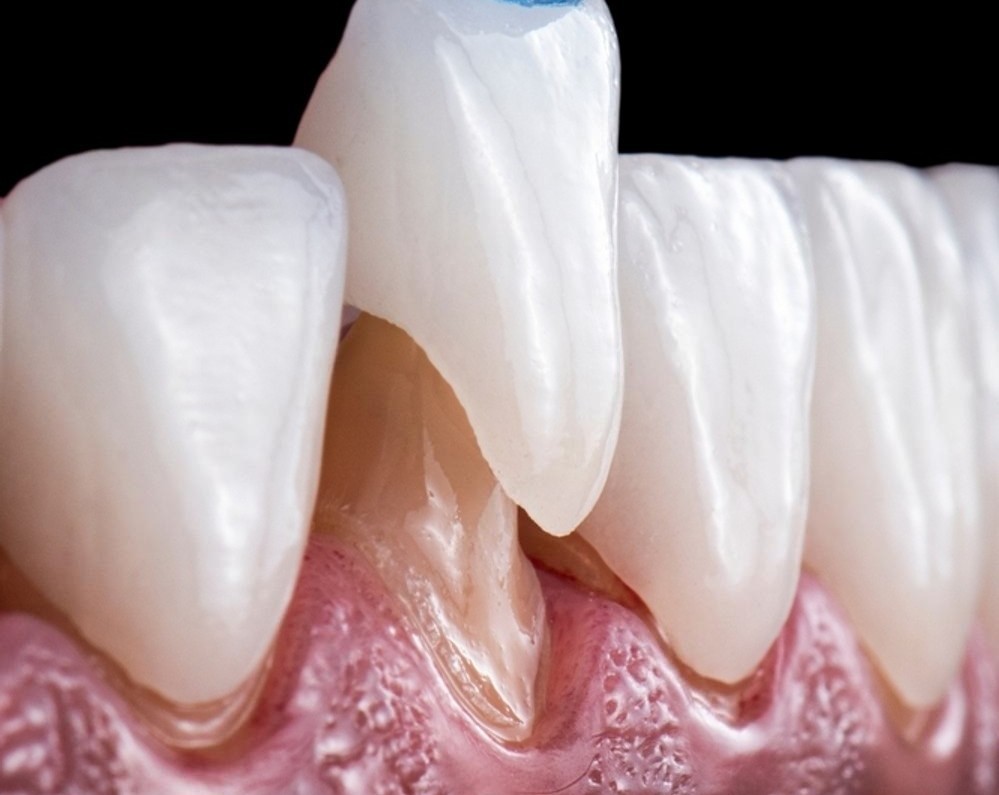
A dental crown is a custom-fitted "cap" that encases a tooth that is damaged, broken, decayed, or has undergone root canal treatment. It restores the tooth's shape, size, strength, and appearance while protecting it from further fracture.

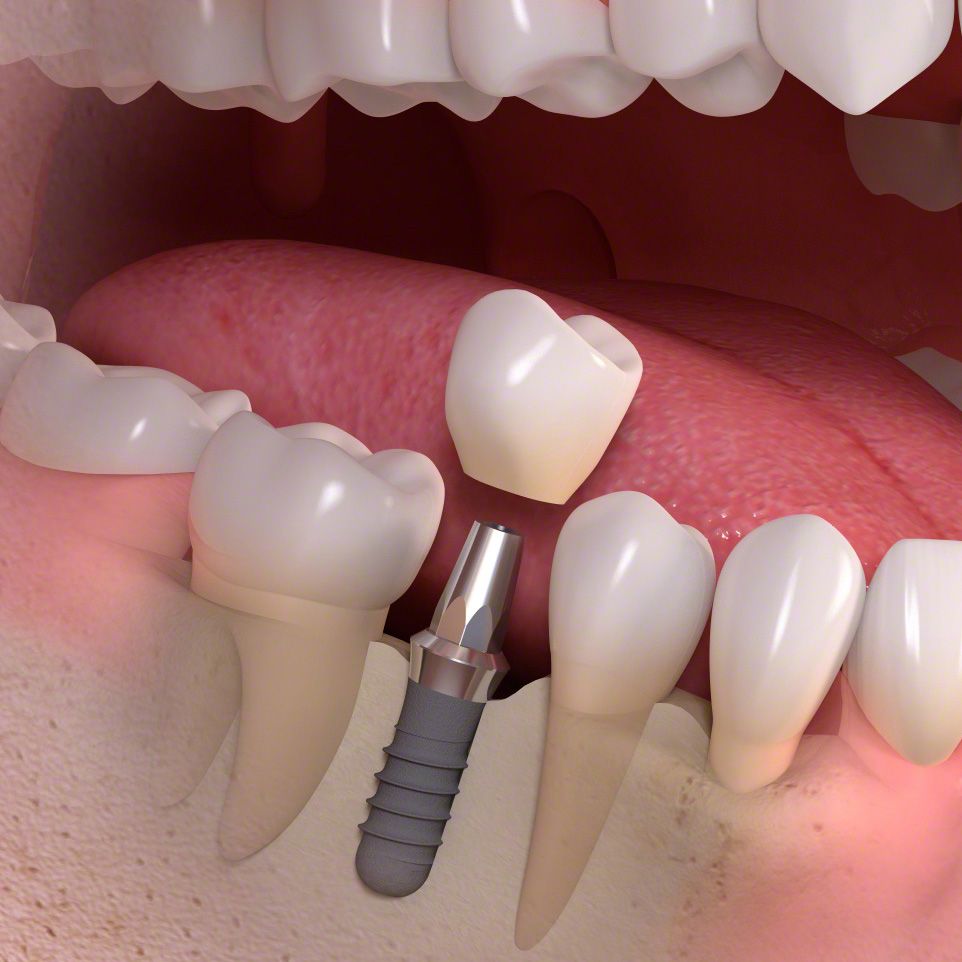
A dental bridge is a fixed restoration used to replace one or more missing teeth. It consists of artificial teeth (pontics) fused between two crowns placed on the adjacent natural teeth or implants — "bridging" the gap left by missing teeth and preventing the remaining teeth from shifting.

Both are fabricated from durable materials such as porcelain, ceramic, zirconia, or metal alloys, ensuring long-lasting function and a natural appearance.

What's Included in Crown and Bridge Treatment?

Comprehensive Examination

Digital X-rays and intraoral imaging to assess tooth structure, bone levels, and adjacent teeth.

Tooth Preparation

Gentle reshaping of the affected tooth to accommodate the crown or preparation of abutment teeth for bridges.

Digital Impressions

Precise digital scans to ensure an exact fit and optimal bite alignment for your restoration.

Temporary Restoration

Placement of provisional crown or bridge to protect teeth while the permanent restoration is fabricated.

Custom Fabrication

Milling of high-quality ceramic, zirconia, or porcelain-fused-to-metal restoration in a dental laboratory.

Final Placement & Follow-up

Precision bonding with bite adjustment plus oral hygiene instructions specific to your restoration.

Why Are Crowns and Bridges Important?

These restorations are essential for preserving dental function, preventing oral health complications, and restoring confidence.

  • Protects weakened teeth: Crowns encase cracked or extensively filled teeth, preventing them from splitting under chewing forces.
  • Restores chewing ability: Allows you to eat comfortably, including harder and more fibrous foods.
  • Prevents tooth shifting: Bridges fill the gap from missing teeth, stopping adjacent teeth from tilting or drifting.
  • Maintains facial structure: Prevents the sunken appearance caused by multiple missing teeth by supporting jawbone and facial muscles.
  • Enhances aesthetics: Custom-shaded porcelain crowns and bridges blend seamlessly with natural teeth.
  • Supports long-term oral health: Preserves bite alignment, reducing risk of TMJ issues and further tooth loss.

What to Expect During Crown and Bridge Treatment?

Crown and bridge treatment is typically completed over two to three visits, ensuring precision and comfort.

1

Initial Consultation and Assessment

Your dentist will evaluate the affected tooth or gap, take X-rays to assess bone health and surrounding teeth, and discuss the appropriate restoration type. Treatment options and material choices will be explained.

2

Tooth Preparation and Impressions

The tooth receiving the crown is gently reshaped to accommodate the restoration. For bridges, the adjacent abutment teeth are prepared similarly. Digital impressions are taken to capture the exact contours of your bite.

3

Temporary Restoration

A temporary crown or bridge is placed to protect the prepared teeth while your permanent restoration is custom fabricated. You leave with full function and aesthetics during this interim period.

4

Try-In and Final Cementation

Once your permanent crown or bridge is ready, your dentist checks the fit, color match, bite alignment, and esthetics. Once confirmed, the restoration is permanently bonded or cemented into place.

5

Follow-Up and Care Instructions

You will receive guidance on maintaining your restoration, including flossing techniques for bridges and care considerations for crowns. A follow-up visit may be scheduled to ensure comfort and function.

Who Is This For?

Crowns and bridges are suitable for patients with damaged, weakened, or missing teeth who have healthy adjacent teeth or sufficient bone structure.

Ideal Candidates for Crowns

  • Teeth with large fillings or fractures that cannot be repaired with a simple filling
  • Teeth that have undergone root canal treatment and require protection
  • Severely worn teeth due to grinding (bruxism)
  • Cosmetic enhancement for misshapen or discolored teeth

Ideal Candidates for Bridges

  • Patients missing one or more consecutive teeth
  • Individuals who prefer a fixed solution over removable partial dentures
  • Healthy adjacent teeth that can support the bridge
  • Patients who are not candidates for dental implants

You May Require an Alternative Treatment If:

  • Adjacent teeth are unhealthy or insufficient to support a bridge (implants may be recommended)
  • Multiple missing teeth across the arch (partial dentures or implant-supported restorations may be suitable)
  • Active gum disease is present (treatment must precede restorative work)

Frequently Asked Questions

With proper oral hygiene and regular dental visits, crowns and bridges typically last 10 to 15 years, and often longer. Longevity depends on oral hygiene, bite forces, and material selection.

Crowns require brushing and flossing like natural teeth. Bridges require special flossing under the artificial tooth to prevent decay and gum disease around the abutment teeth. Your dentist will demonstrate proper cleaning techniques.

No. Modern porcelain and zirconia crowns are custom-shaded to match your natural teeth. They reflect light similarly to natural enamel, making them virtually indistinguishable.

The procedure is performed under local anesthesia, so you should feel no pain during tooth preparation or placement. Some mild sensitivity may occur after anesthesia wears off, which typically resolves within a few days.

Yes. Once the permanent restoration is cemented, you can resume a normal diet. However, it is advisable to avoid chewing very hard items like ice, hard candy, or nuts to prevent damage.

A bridge relies on adjacent natural teeth for support, while an implant is a titanium post surgically placed into the jawbone, functioning as an independent tooth root. Bridges are typically faster and less invasive, while implants offer the advantage of not affecting adjacent teeth.

Most dental insurance plans cover a portion of crown and bridge treatment, typically 50% of the cost. Our team will verify your benefits and provide a clear estimate before treatment begins.

Ready to Restore Your Smile with Durable, Natural-Looking Crowns or Bridges?

Expert restorations designed for strength, function, and a beautiful natural appearance. Book your consultation today!

Book Your Visit Now